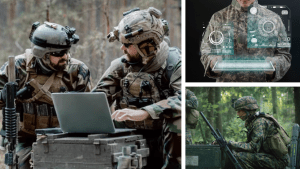
C4ISR stands for Command, Control, Communications, Computers, Intelligence, Surveillance, and Reconnaissance. It is a military concept that encompasses a range of capabilities and systems to enable effective decision-making and coordination on the battlefield. C4ISR is crucial for modern military operations, as it enhances situational awareness, enables real-time communication between different units, and supports data-driven decision-making processes.
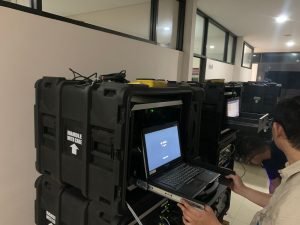
Deployment of C4ISR G20 Bali involves the implementation and integration of various technologies and systems to create a network-centric approach to military operations. Here are some key components of C4ISR and their roles:
1. Command and Control (C2): This involves the overall leadership, decision-making, and coordination of military forces. It includes personnel, procedures, and facilities that ensure effective command and control of forces during various missions.
2. Communications: Reliable and secure communication systems are essential for transmitting information and orders between different units in the field, command centers, and other relevant parties. These systems can include radio networks, satellite communications, and data links.
3. Computers: The use of computers and associated software applications is critical for processing and analyzing vast amounts of data, intelligence, and information. Computers enable military leaders to make informed decisions based on real-time data and situational assessments.
4. Intelligence: Gathering, analyzing, and disseminating intelligence is a crucial aspect of C4ISR. This includes information on enemy movements, capabilities, and intentions, as well as the use of reconnaissance assets like drones and satellites.
5. Surveillance: Surveillance systems provide real-time information on the battlefield, including the monitoring of enemy positions, friendly forces, and critical infrastructure. Surveillance assets, such as unmanned aerial vehicles (UAVs), enhance the military’s understanding of the operational environment.
6. Reconnaissance: This involves actively seeking information about the enemy and the operational environment. It may include ground-based patrols, aerial reconnaissance, or other methods to gather intelligence.
The deployment of C4ISR involves careful planning, integration, and testing of these various components to ensure they work seamlessly together. It also requires robust cybersecurity measures to protect the communication and data systems from cyber threats and potential adversaries.
Overall, C4ISR capabilities play a vital role in modern military operations, providing commanders with the tools they need to make informed decisions and respond effectively to changing situations on the battlefield.