2 Juni 2014
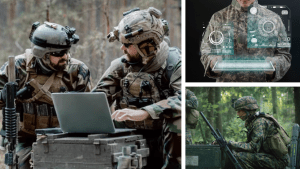
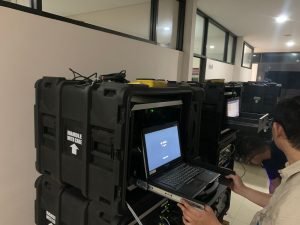
In the military, both servers and personal PCs play essential roles in supporting various operations. Here’s a brief overview of their uses:
1. Servers in the Military:
Military organizations rely heavily on servers for a wide range of tasks, including:
a. Data Management: Servers are used to store and manage critical military data, such as classified information, logistics data, intelligence reports, and personnel records.
b. Communication: Servers facilitate secure communication channels, including email, messaging systems, and video conferencing for military personnel, both within the organization and between different military units.
c. Command and Control: Servers are integral to command and control systems, allowing military leaders to coordinate and manage operations in real-time.
d. Intelligence Processing: Military servers are involved in processing and analyzing vast amounts of intelligence data gathered from various sources, helping military decision-makers make informed choices.
e. Cybersecurity: Servers play a vital role in providing cybersecurity measures, protecting military networks from cyber threats and unauthorized access.
f. Training and Simulation: Servers are used to host virtual training environments and simulations for military personnel to practice tactics and scenarios.
g. Logistics and Supply Chain Management: Military servers help manage the logistics and supply chain processes, ensuring the efficient movement of personnel, equipment, and resources.
2. Personal PCs in the Military:
Military personnel use personal PCs for a wide array of tasks, including:
a. Administrative Tasks: Personal PCs are used for administrative duties like writing reports, creating presentations, and managing personal files.
b. Training and Education: Military personnel may use personal PCs for self-study, online training courses, and accessing educational materials.
c. Communication: Personal PCs allow military personnel to stay connected with family, friends, and colleagues through email, messaging apps, and video calls during downtime.
d. Data Analysis: Personal PCs can be utilized by military analysts for in-depth data analysis and modeling.
e. Equipment Control: In some cases, military personnel may use personal PCs to control or interface with specific military equipment.
f. Cybersecurity and Network Defense: Personal PCs are essential in maintaining the cybersecurity posture of military personnel, ensuring they adhere to security protocols and use secure connections.
g. Research and Intelligence Gathering: Personal PCs enable military personnel to conduct research, access open-source intelligence, and stay updated on global developments.
Both servers and personal PCs in the military must adhere to strict security protocols to protect sensitive information and maintain operational readiness. Security measures include encryption, authentication, regular updates, antivirus software, and adherence to specific operational security guidelines.