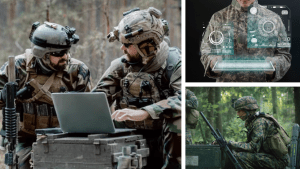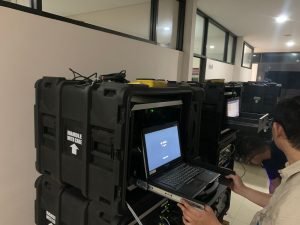
Software development in the military plays a crucial role in modern defense strategies. It supports various aspects, including communication, intelligence analysis, mission planning, logistics, simulation, and cybersecurity. Here are some key points to consider when implementing software development in military needs:
1.Security and Encryption Module : Indonesian Air Force software must be designed with a strong focus on security and encryption. Data protection and safeguarding classified information are top priorities. Implementing robust encryption algorithms and adhering to strict security protocols is essential.
2.Interoperability Solusiton : Indonesian Airforce software often needs to work seamlessly with various existing systems and hardware. Interoperability is critical to ensure smooth communication and data exchange between different platforms and units.
3. Agile Development Needs: In the fast-changing and dynamic military landscape, the ability to adapt quickly is vital. Agile software development methodologies can help teams respond rapidly to changing requirements and deliver valuable software in shorter cycles.
4. User-Centric Design: Soldiers and military personnel are the end-users of the software. Designing user-friendly interfaces and considering the user’s needs and workflow are crucial to ensure efficient and effective utilization of the software.
5. Simulation and Training: Software can be utilized for creating realistic simulations for training purposes. These simulations can help troops prepare for various scenarios and improve their decision-making abilities in complex situations.
6. Data Analytics and Intelligence Module: Military operations generate vast amounts of data. Proper data analytics and intelligence tools can help extract valuable insights, improve situational awareness, and support strategic decision-making.
7. Cybersecurity and Resilience: Military software is a prime target for cyberattacks. Building robust cybersecurity measures and ensuring software resilience against potential threats is of utmost importance.
8. Testing and Quality Assurance: Rigorous testing and quality assurance procedures are essential to identify and fix potential bugs or vulnerabilities before deployment. The consequences of software failure in military operations can be severe, so thorough testing is critical.
9. Scalability and Performance: Military operations may require the software to handle massive loads and function efficiently in various environments. Ensuring scalability and optimal performance under different conditions is vital.
10. Version Control and Documentation: In military software development, version control and documentation are crucial for maintaining code integrity and providing clear instructions for maintenance and updates.
11. Deployment and Training: Proper training of military personnel in using the software is crucial for successful implementation. Adequate deployment strategies must be planned and executed to ensure a smooth transition to new software solutions.
12. Regulatory Compliance: Military software development often involves compliance with various regulations and standards. Adhering to these requirements is essential for both legal and security reasons.
13. Continued Support and Maintenance: Software used in the military must be actively supported and maintained. Regular updates and improvements are necessary to address emerging threats and evolving needs.
14. Collaboration with Industry: Military organizations can benefit from collaborating with software development companies and tech experts to leverage cutting-edge technologies and best practices.
15. Ethical Considerations: Some military software applications raise ethical questions, especially when autonomous systems are involved. Ensuring adherence to ethical guidelines and laws is essential to maintain public trust and accountability.