Deployment radio trunking, often referred to as trunked radio systems or trunking, is a method of managing and organizing two-way radio communication for multiple users. It is commonly used by public safety agencies, utilities, transportation companies, and other organizations that require efficient and reliable communication among a large number of users.
Traditional radio systems use a frequency-based approach, where each group of users (e.g., police, fire department, public works) is assigned a specific frequency or channel. This can lead to inefficiencies when multiple groups need to communicate simultaneously, leading to channel congestion and potential communication delays.
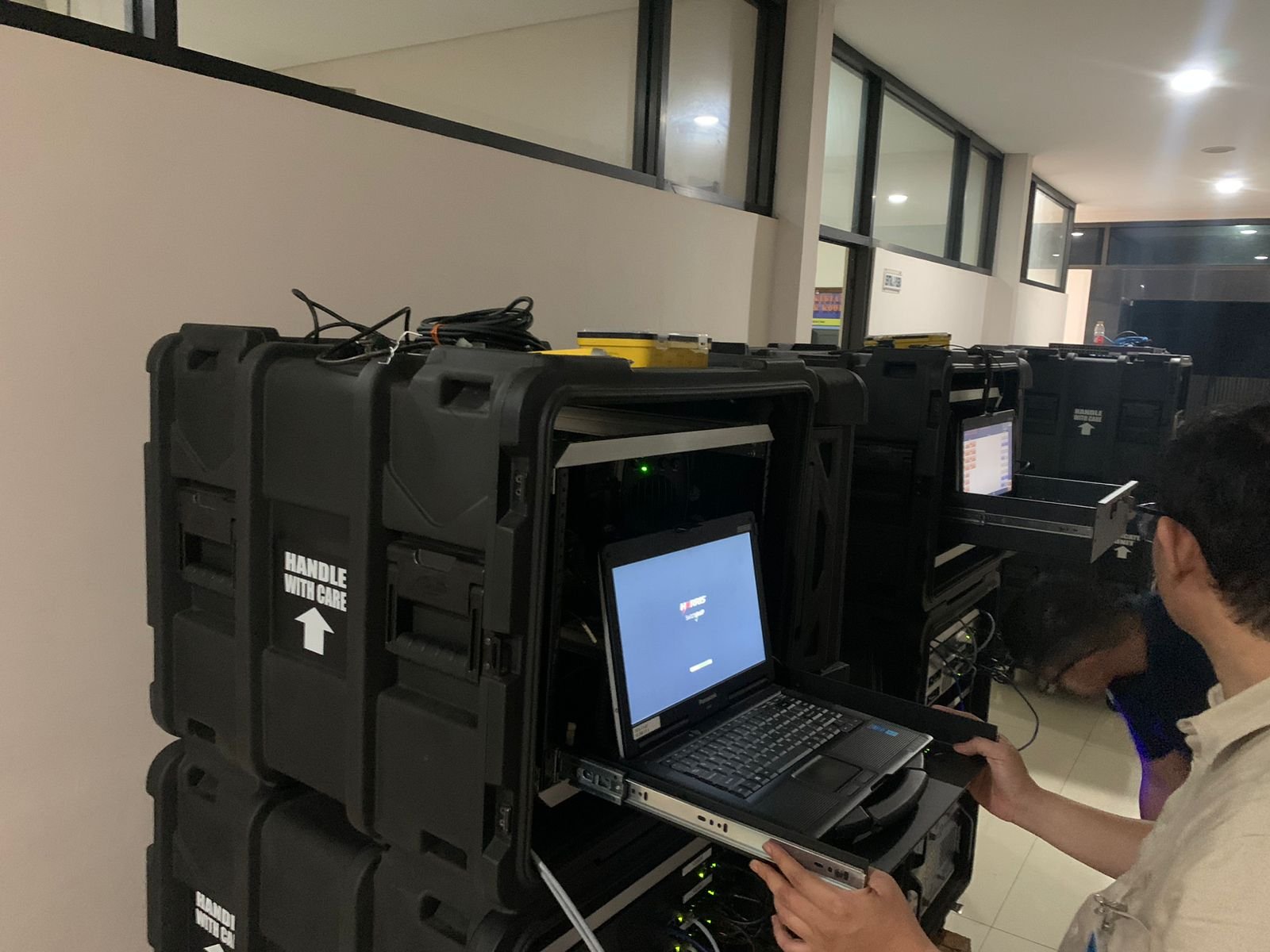
Trunked radio systems, on the other hand, use a pool of frequencies shared among all user groups. Instead of assigning specific frequencies to each group, the system dynamically allocates available frequencies as needed. This is achieved through a central controller, also known as the trunked radio system controller, which manages the allocation of channels and resources.
When a user wants to initiate a communication, the radio sends a request to the central controller, indicating the desired talk group (the group of users they want to communicate with). The controller then assigns an available frequency to that talk group for the duration of the conversation. After the communication is complete, the frequency is returned to the pool and made available for other users.
Key features of trunked radio systems include:
1. Efficient use of frequencies: Trunking allows for more efficient utilization of available frequencies because they are shared among multiple user groups, reducing the chances of frequency congestion.
2. Dynamic channel allocation: The system dynamically assigns channels, so users don’t need to manually switch channels or worry about finding an available frequency.
3. Talk groups: Users are organized into talk groups based on their roles or departments, and they can communicate with each other within their designated talk groups.
4. Automatic roaming: Trunked systems often support roaming, allowing users to move between different sites or coverage areas without having to manually switch channels.
5. Enhanced features: Trunked radio systems can offer various features like priority access for emergency communications, encryption for secure conversations, and dispatcher consoles for centralized control.
Trunked radio systems can be complex to set up and maintain, but they provide significant benefits in terms of communication efficiency and flexibility, making them a popular choice for organizations that require extensive and reliable radio communication capabilities.