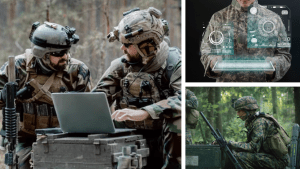
Radio Communication in Vehicles:
Radio communication has been a crucial technology for various industries, including transportation. In vehicles, radio communication systems enable communication between drivers, passengers, and centralized control centers. These systems can enhance safety, coordination, and efficiency, especially in specialized vehicles used in critical operations.
Duty Pilot Systems:
The term “duty pilot” is not a standard term in the context of vehicles, but it could refer to a person responsible for driving or operating a specific vehicle, often in challenging or specialized conditions.
Combining Radio Communication and Duty Pilot Systems:
In the context of special vehicles that may operate in remote or hazardous environments, integrating radio communication systems with a duty pilot concept could be beneficial. Such a system might include:
Two-Way Radios: Special vehicles could be equipped with two-way radio systems that allow communication between the duty pilot and a central control center. This allows the pilot to receive instructions, report status updates, and request assistance if needed.
Real-Time Monitoring: Vehicles could be equipped with tracking and monitoring systems that transmit data to the control center in real-time. This enables the center to track the vehicle’s location, condition, and performance, providing valuable insights for better coordination and safety.
Emergency Communication: In emergency situations, the duty pilot can use the radio communication system to quickly alert the control center or other relevant authorities, facilitating a rapid response to potential incidents.
Remote Control: Depending on the vehicle’s capabilities, a radio communication-based duty pilot system might allow certain functions of the vehicle to be controlled remotely from the central control center in critical situations.