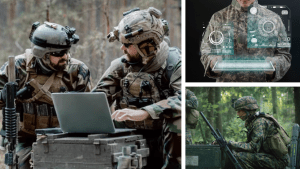
Interoperability in the context of radio networks refers to the ability of different communication systems and devices to work together seamlessly and effectively. It is crucial in situations where multiple agencies, organizations, or systems need to collaborate during emergencies, disasters, public events, or any other circumstances where coordination and communication are essential.
Here are some key aspects of interoperability in radio network development:
1. **Standardization**: To achieve interoperability, it is essential to follow common standards for radio communication protocols, frequencies, and data formats. Standardization ensures that different systems can understand and exchange information correctly.
2. **Radio Spectrum Management**: Interoperability requires careful management of the radio spectrum to avoid interference and conflicts among various radio systems. Regulatory bodies play a crucial role in allocating frequencies and ensuring proper coordination.
3. **Cross-Band and Cross-Platform Communication**: Interoperable radio networks should allow communication across different frequency bands and various radio platforms, such as handheld radios, mobile radios, base stations, etc.
4. **Voice and Data Integration**: Effective interoperability includes the ability to transmit both voice and data information between different radio systems, enabling real-time exchange of critical information.
5. **Encryption and Security**: Ensuring secure communication is vital, especially in sensitive environments. Interoperable radio networks must incorporate robust encryption methods to protect information from unauthorized access.
6. **Training and Procedures**: Alongside technological aspects, interoperability also relies on establishing common operating procedures and providing adequate training to users from different agencies to effectively use the network.
7. **Gateway Solutions**: Interoperability can be achieved through the use of gateway solutions that act as intermediaries between various radio systems, facilitating communication between them.
8. **Testing and Simulation**: Thorough testing and simulations are essential during the development and deployment of interoperable radio networks to identify and resolve potential issues before actual implementation.
9. **Adoption of Industry Standards**: Various organizations and standards bodies, such as the Telecommunications Industry Association (TIA) and the European Telecommunications Standards Institute (ETSI), develop and promote standards for interoperable radio communication.
10. **Collaboration and Coordination**: Collaboration among different stakeholders, including government agencies, emergency services, public safety organizations, and private entities, is vital for successful interoperable radio network development.
Interoperability in radio network development is an ongoing process, as technology evolves, new challenges arise, and the need for seamless communication across different systems continues to grow. It requires a concerted effort from various entities to ensure effective coordination and communication during critical situations.