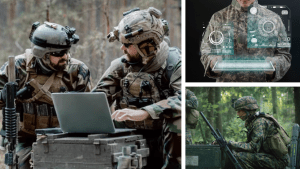
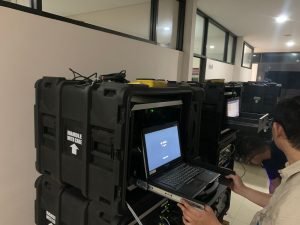
C4i stands for “Command, Control, Communications, Computers, and Intelligence.” It is a concept that refers to the integration of these five elements to support military operations and decision-making processes. A command center is a facility where these components come together to provide a centralized hub for planning, coordination, and execution of operations.
The development of a C4i-based command center involves several key considerations:
1. **Command Structure and Objectives:** Clearly define the command structure, roles, and responsibilities of personnel within the command center. Establish the objectives and goals that the center aims to achieve during military operations.
2. **Communication Systems:** Implement robust communication systems that allow seamless exchange of information between different military units, intelligence agencies, and other relevant entities. This may involve a mix of voice, data, and video communication channels.
3. **Control Systems:** Develop control systems that can manage and monitor various aspects of military operations, such as troop movements, equipment status, and logistics.
4. **Computer Systems:** Integrate computer systems to process and analyze vast amounts of data from various sources, including intelligence reports, surveillance equipment, and real-time situational data.
5. **Intelligence Gathering and Analysis:** Establish intelligence gathering capabilities to collect data from multiple sources, including satellites, drones, ground sensors, and human intelligence. Implement robust analysis tools to make sense of this data and provide actionable intelligence to decision-makers.
6. **Cybersecurity:** Implement stringent cybersecurity measures to protect sensitive information and ensure the command center’s operations are not compromised by cyber threats.
7. **Interoperability:** Ensure that the C4i systems are interoperable with various military units, coalition partners, and allied forces, enabling effective collaboration during joint operations.
8. **Training and Personnel:** Train personnel to effectively use the C4i systems and respond to various scenarios. The personnel should be well-versed in the command center’s procedures and capable of handling high-pressure situations.
9. **Redundancy and Resilience:** Incorporate redundancy and backup systems to ensure the command center can continue functioning even if certain components fail. This ensures resilience and continuity of operations.
10. **Testing and Evaluation:** Regularly test and evaluate the command center’s capabilities through simulations and exercises to identify any weaknesses and improve overall performance.
11. **Scalability:** Design the C4i-based command center with scalability in mind, allowing it to adapt and expand as operational needs and technologies evolve.
Developing a C4i-based command center is a complex process that requires close collaboration between military planners, engineers, and IT specialists. The goal is to create a centralized, efficient, and secure hub for decision-making and command during military operations.